





What to Look For in a Fire Starter Kit
A fire starter kit does one job: it turns a spark or a flame into a fire you can actually use, even when the wood is damp and the wind won't quit. Plenty of kits look the part and still let you down, because they pack one good ignition tool and almost nothing for it to light. Here's what a good survival fire starter kit should include, how the pieces work together, and how to pick one for camping, the backcountry or an emergency bag.
The two halves of every fire starter kit
Every fire needs two things before it needs wood: an ignition source and tinder. Most people shop for the first and forget the second.
- Ignition makes the heat: a ferro rod and striker, a match, a butane torch or a rechargeable arc lighter.
- Tinder catches that heat and holds it long enough to light your kindling: char cloth, wax-infused rope, fatwood, tinder shreds or prepared fire plugs.
A spark with nothing ready to catch it is just a light show. A good kit gives you one dependable way to make heat and several kinds of tinder, so you can match the material to the conditions.
Ignition: which source belongs in your kit
| Ferro rod | Storm matches | Butane torch | Arc lighter | |
|---|---|---|---|---|
| Needs | Nothing but tinder and practice | A dry striker | Butane refills | A USB-C charge |
| Wet | Works once wiped off | Keeps burning in rain | OK once the head is dried | Splash-resistant at best |
| Uses | Thousands of strikes | One per match | Hundreds per fill | Hundreds per charge |
| Role | Primary, never runs out | Bad-weather backup | Fast, easy convenience | Fuel-free convenience |
Ferro rod and striker
A ferrocerium rod throws very hot sparks when you scrape it with a striker. It needs no fuel and no battery, and it still works after it gets wet once you wipe it off. The rod in TinFerno produces sparks rated at 3,000°F and is rated for 20,000+ strikes. A ferro rod takes a little practice, so read our guide on how to use a ferro rod before you need it.

Storm matches
Storm matches keep burning in wind and rain after they're struck, which makes them a strong backup to a ferro rod. Storm Matches come in a 20 pack with 2 strikers. The tradeoff is that every match is single use. We compare them in storm matches vs. lighters.
Butane torches and arc lighters
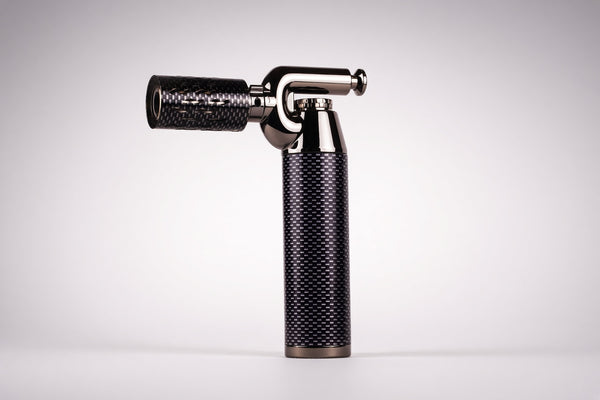
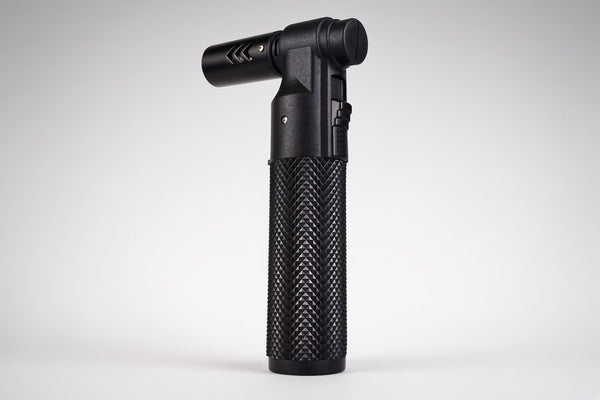
A refillable jet-flame torch gives you an adjustable, wind-resistant flame for lighting prepared tinder fast. A rechargeable arc lighter skips fuel altogether; the Plasma Torch Light adds a 600-lumen flashlight. Both are quick and easy, but both depend on fuel or a charged battery, so treat them as convenience tools and keep a ferro rod in the kit too.
 Black Torch Jet-Flame Lighter
Refillable butane torch with an adjustable, wind-resistant jet flame.
$19.00Shop now
 Clear Plasma Torch
Rechargeable double-arc lighter and pocket flashlight. No butane, USB-C charging.
$12.95Shop now
Tinder: the part most kits skimp on
Different tinders do different jobs, and a kit with several types gives you options when conditions change.
| Tinder | What it does | Best for |
|---|---|---|
| Char cloth | Catches a spark and holds an ember (no flame on its own) | Ferro rod sparks, then blown to life in a tinder bundle |
| Wax-infused rope | Burns long and steady. In TinFerno, 10+ minutes per piece depending on portion size and conditions | Damp kindling that needs time to catch |
| Fatwood | Resin-rich wood that lights readily and burns hot | Wet weather, slightly damp kindling |
| Fire plugs and fire cubes | Compact, portioned starters. Use what you need, save the rest | Fast, repeatable starts |
| Tinder shreds | Loose material for building up a tinder bundle | Catching sparks under your kindling |

A trick for everyday carry: the 550 Paracord Lanyard uses fire cord with an internal tinder strand, so a cord you already carry can double as emergency tinder.
Storage matters more than you think
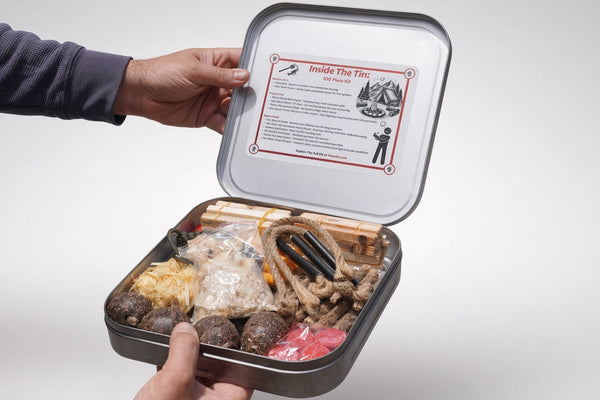
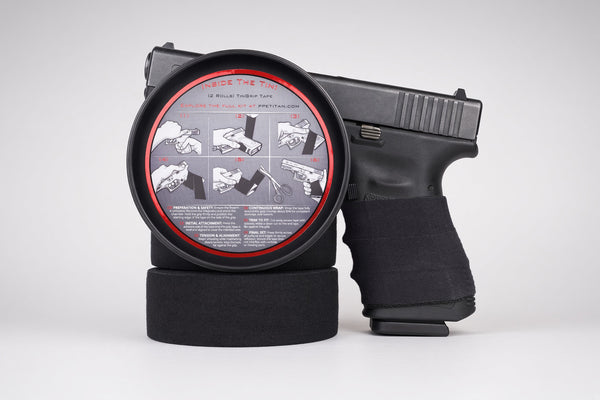
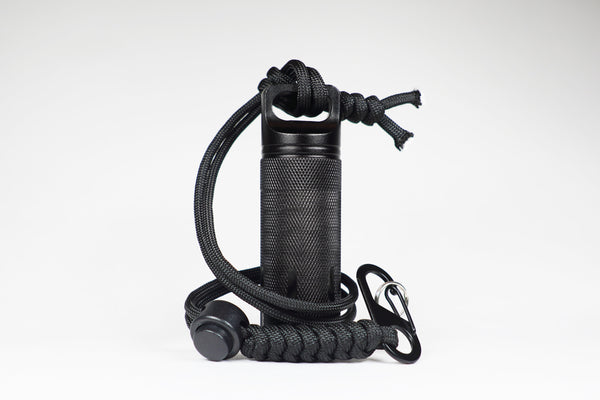
Tinder that gets wet or crushed is tinder you can't use. Look for a kit that packs into a rigid, closing case and keeps everything in one place, so you aren't hunting through a pack for a striker in the dark. TinFerno packs its 100 pieces into a metal case with a tight-fitting closure and an included fire-starting guide. For a pocket-sized setup, the Storm-Strike Kit bundles 3 watertight EDC canisters, a paracord lanyard and 20 storm matches.
 TinFerno 100-Piece Fire Starter Kit
Ferro rod and striker plus char cloth, fatwood, wax rope, fire plugs, a fire cube and shreds in one metal case. 150+ fire starts.
$54.95Shop TinFerno
How many fires should a kit cover?
Count starts, not pieces. A weekend camper might light two or three fires; an emergency kit should cover days. TinFerno is rated for 150+ fire starts under normal conditions with careful portioning. Whatever you carry, practice portioning: a pinch of shreds or half a fire plug is often enough when your fire lay is built well.
Checklist: choosing a fire starter kit
-
A fuel-free primary
A ferro rod and striker, plus a backup such as storm matches or a torch. -
Three or more tinder types
Including one that holds an ember and one that burns long. -
A sealed, rigid case
Something that keeps everything dry, uncrushed and together. -
Enough for the trip
Enough material for the number of fires you'll actually need. -
Simple instructions
So anyone in your group can use it, not just you.

FAQ
What should be in a survival fire starter kit?
An ignition source (ideally a ferro rod and striker), a backup such as storm matches, several types of tinder, and a waterproof case to hold it all.
Is a ferro rod better than a lighter?
They do different jobs. A ferro rod needs no fuel and works after it gets wet, but takes practice. A lighter or torch is faster and easier, but depends on fuel or a battery. Many people carry both.
Does char cloth make a flame?
No. Char cloth catches a spark and holds an ember. You transfer the ember to a tinder bundle to get a flame.
How long does wax fire rope burn?
It depends on the rope and how much you use. Each piece of wax rope tinder in TinFerno gives 10+ minutes of burn time; portion size and conditions affect that.
Can a fire starter kit work in wet or windy weather?
A good kit helps a lot in wet, windy and cold conditions, but you still need a suitable fire lay and careful preparation.
Shop ferro rods, tinder, storm matches and torches in Fire Starting.